From Learning to Action: A Public Health Scholar’s Journey Beyond the Classroom
Posted: 30 September 2026
For Dr Soe Wai Htet, studying public health in Australia has been about much more than lectures and assignments. It has been an opportunity to step into communities, engage with real-world health challenges, and discover how evidence and advocacy can create meaningful change.
Currently undertaking a Master of Global Health (Extension) and Master of Infectious Disease Intelligence at the University of New South Wales, Dr Soe has actively sought experiences that connect academic learning with practical action. One such opportunity came at Dee Why Beach, where he joined fellow students, senior medical specialists and community volunteers at a Free Health Check organised by the Freshwater Seventh-day Adventist Community Church. There, he helped deliver health checks, spoke with local residents, and gained firsthand insight into how preventive health services are delivered outside traditional healthcare settings.
Another transformative experience took him into the world of research and advocacy. Working alongside classmates and lecturers, he contributed to a briefing paper examining the health harms caused by nuclear testing in Australia, developed in partnership with Advocacy Lab and the International Campaign to Abolish Nuclear Weapons (ICAN). The project challenged him to look beyond clinical practice and explore the intersections of public health, policy and social justice. It also strengthened his skills in evidence synthesis, critical appraisal and academic writing.
“I really valued these experiences because they allowed me to connect with the local community, learn from experienced public health professionals, and see how evidence can support advocacy and policy change.”
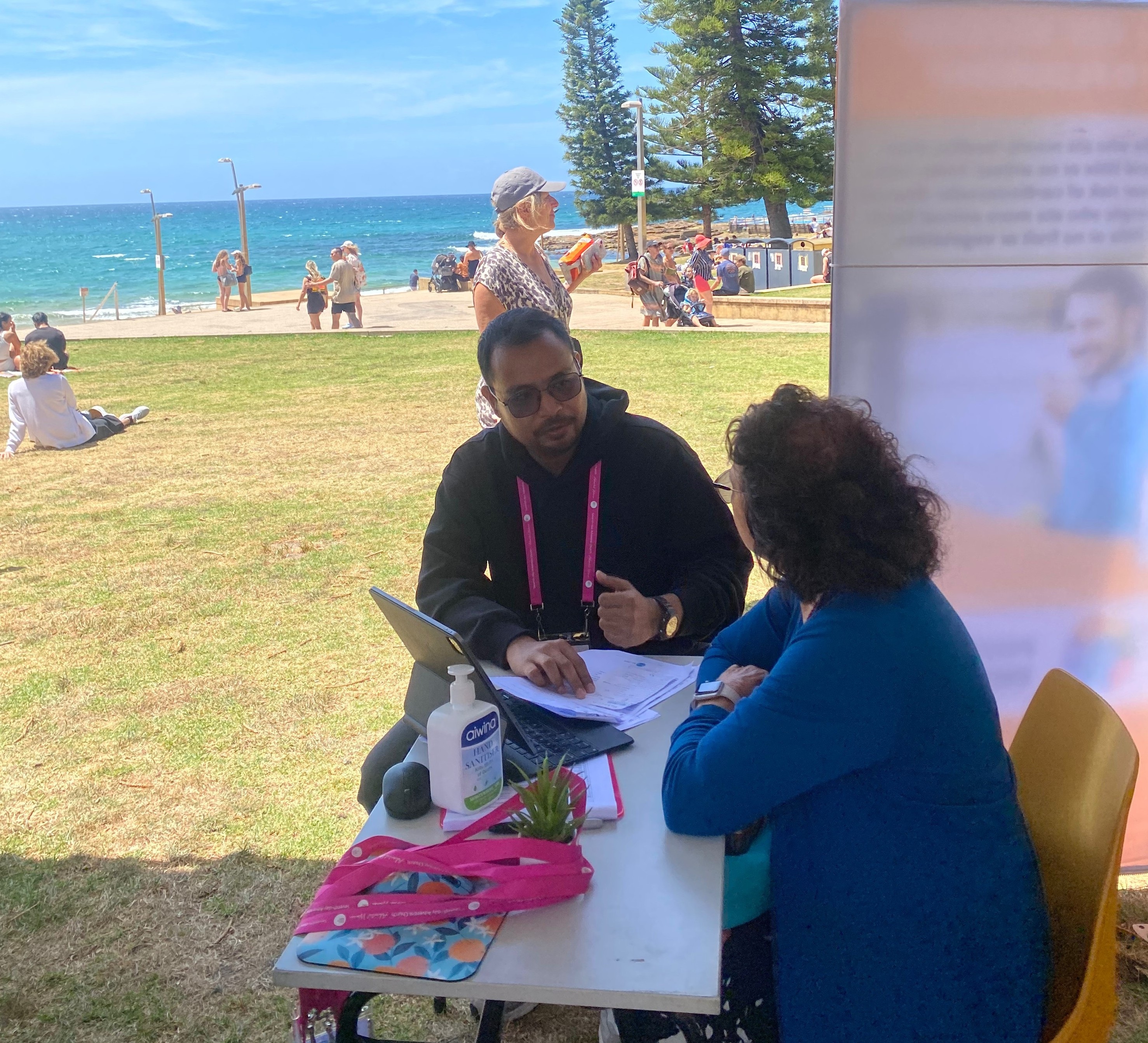
Dr. Soe engaging with the community through volunteer work.
For Dr Soe, the value of these experiences lies in the way they brought public health to life. Engaging directly with communities deepened his appreciation of preventive healthcare, while the research project demonstrated the power of evidence in shaping public debate and influencing policy. Learning about the lasting impacts of nuclear testing on Aboriginal communities was particularly eye-opening, highlighting how historical events can continue to affect health outcomes across generations.
Together, these experiences have expanded his view of what it means to be a public health professional. They have strengthened his confidence, broadened his professional network, and provided opportunities to learn from experts, volunteers, advocates and fellow students. Most importantly, they have reinforced his commitment to using knowledge and evidence to improve people’s lives.
“These experiences gave me valuable opportunities to apply my medical knowledge in community settings, strengthen my skills in public health advocacy and academic writing, and collaborate with experienced professionals.”
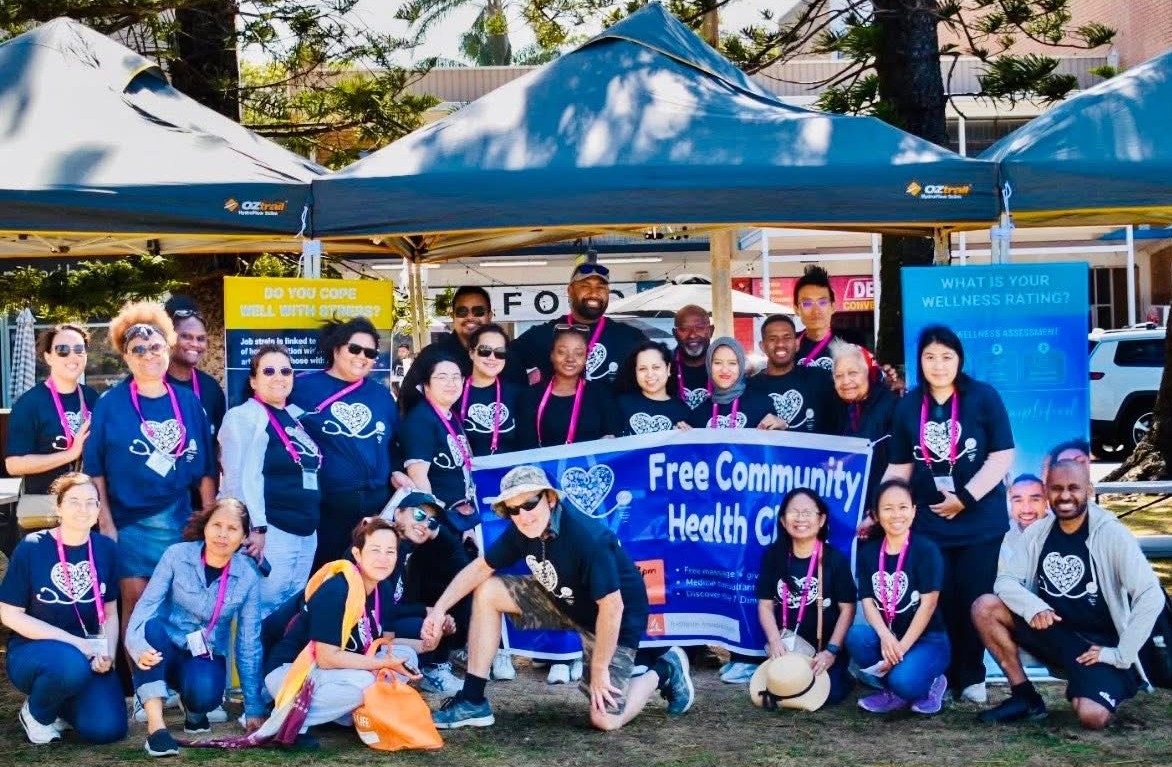
Dr. Soe (far left, back row) helping to deliver a community health check.
Looking ahead, Dr Soe hopes to maintain the connections he has built in Australia and continue contributing to public health initiatives that bring communities together. As a doctor and public health professional from Myanmar, he is eager to keep learning, collaborating and applying his skills to improve health outcomes both at home and internationally.