Ei Ei Lin: Building Inclusive Climate Action Through Research and Regional Collaboration
Posted: 29 October 2025
Ei Ei Lin began her career in international development with a focus on women’s economic empowerment, gender equality, and environmental sustainability. Growing up in northern Shan State, surrounded by mountains and natural landscapes, she developed a deep appreciation for the environment and a strong belief in the harmony between people and nature. This conviction shaped her decision to pursue a Master’s in International Development Studies at Chulalongkorn University, where her research examined how environmental changes influence women’s access to natural resources and how their roles evolve in response to these changes.
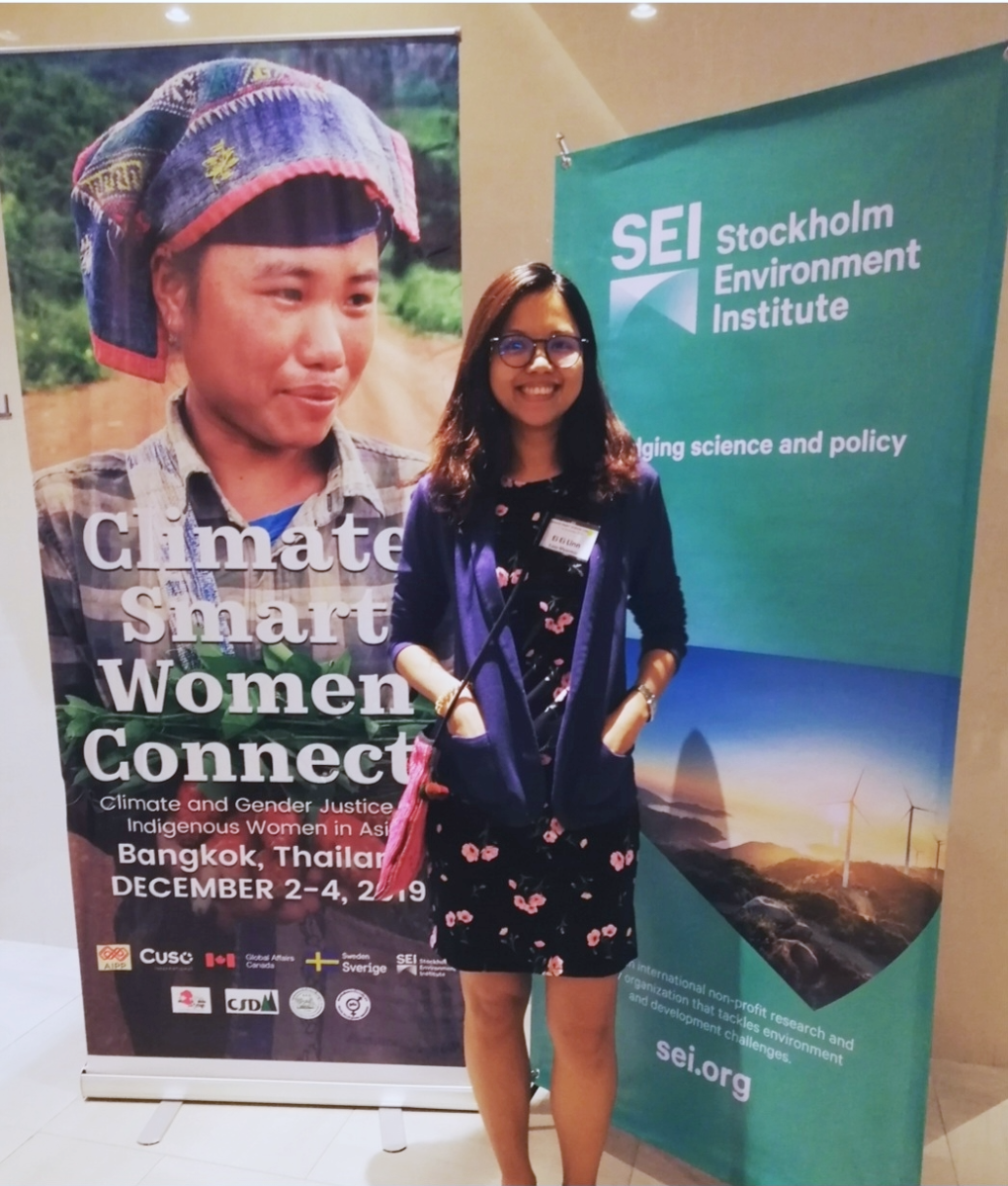
In 2019, Ei Ei Lin led a research project on the role of Indigenous Women in the impacts of climate change in Myanmar, collaborating with partners from Laos, Cambodia, Vietnam, and the Philippines.
In 2024, Ei Ei Lin joined the Australia Awards Short Course on Responding to the Climate Change Challenge delivered by the University of Queensland (UQ). With six years of experience working with INGOs and grassroots organisations across Myanmar, she saw the course as an opportunity to deepen her technical knowledge and strengthen her ability to lead inclusive, climate-responsive development initiatives.
“The short course helped me move from theory to practice. It gave me the tools to think critically, design inclusive interventions, and build evidence-based solutions for communities in Myanmar.”
Her experience with UQ was transformative. She valued the interactive learning environment, the practical case studies, and the opportunity to engage with professors and peers from across the region. The course not only expanded her professional network but also boosted her confidence in applying global climate models to local contexts.
Her short course Return to Work Plan focused on advancing research-based approaches to climate action. She conducted fieldwork and presented her findings at two international conferences—one in Chiang Mai University and another in Chulalongkorn University—highlighting gender and environmental conservation in conflict-affected areas in Myanmar. Her work explored how environmental change shapes women’s livelihoods and access to natural resources, underscoring the importance of integrating gender perspectives into conservation and climate actions.
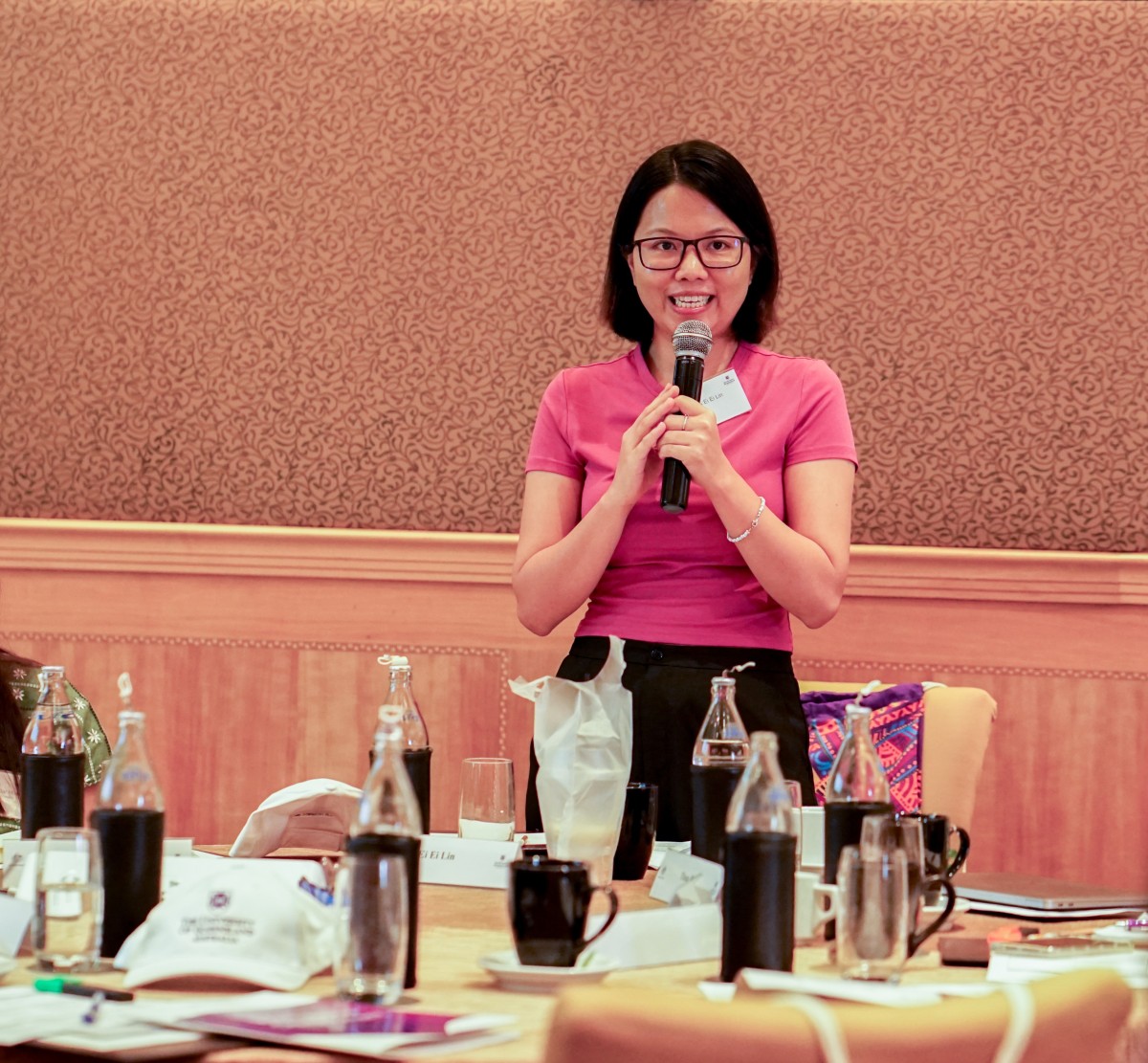
Ei Ei Lin participated in the 2024 Australia Awards Short Course on Responding to the Climate Change Challenge.
One year after completing the course, Ei Ei Lin was invited to return by UQ, this time as a local facilitator for an Australia Awards Short Course that the university was delivering on the intersectionality of GEDSI and climate change. In this role, she supported Myanmar participants in developing realistic Return to Work Plans, bridged cultural and contextual gaps in the course content, and collaborated with the course lead, Professor Paul Dargusch, to enhance curriculum delivery. The experience gave her a deeper understanding of course design and strengthened her ability to guide others in applying inclusive, participatory approaches.
“I learned how to be practical, creative, and inclusive. As a facilitator, I helped participants focus on what was achievable—and that shift in perspective is often the most sustainable outcome.”
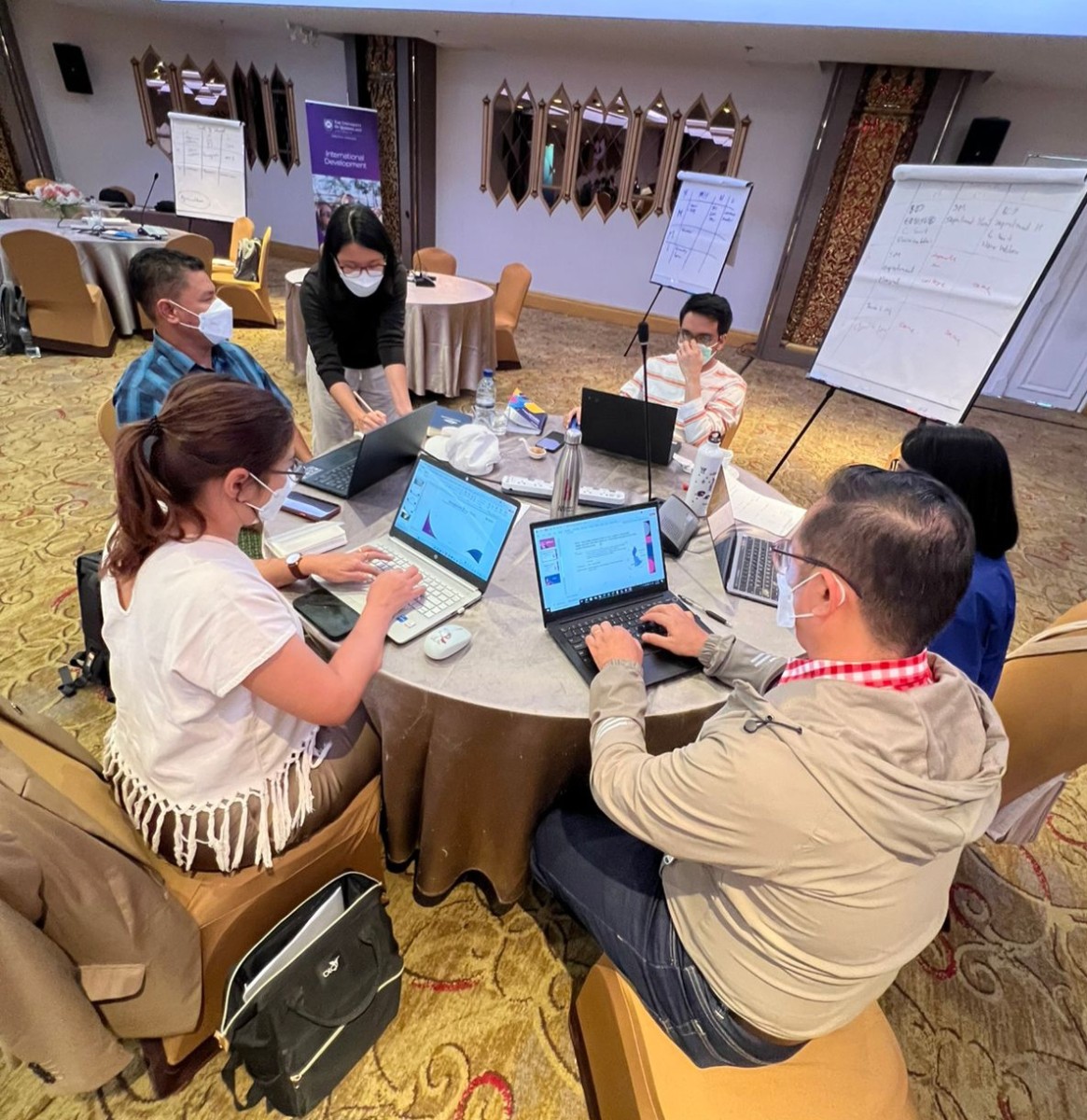
Ei Ei Lin (in black shirt) supported participants as a facilitator during the Australia Awards Short Course.
She now works as a Research and Communication Coordinator at Chulalongkorn University, where she supports research on environmental governance and social inclusion. Her work involves translating academic findings into accessible materials for diverse stakeholders, as well as contributing to research reports, case studies, and policy briefs that bridge the gap between research and practice.
Ei Ei Lin continues to contribute to Myanmar’s development through regional collaboration and the networks she built during the short course. These connections—formed through shared learning, mutual respect, and in-person engagement—have become a foundation for ongoing cooperation. She remains in regular contact with fellow participants and mentors across Myanmar and Thailand, exchanging resources, offering support, and exploring joint initiatives. Whether it’s helping a colleague with urban heat adaptation for the Mekong Region research, sharing climate action opportunities via WhatsApp, or connecting young researchers through social media, Ei Ei Lin sees these relationships as more than professional—they’re a trusted community of practice.
“In conflict-affected contexts, trust is hard to build—but it’s essential. The short course gave us a safe, reliable platform to connect, collaborate, and grow together.”
She describes the network as both visible and invisible—spanning formal projects and informal support. When someone from her cohort integrated climate change into their school’s curriculum and projects, she and other alumni from the group were there to offer resources and support. When a peer visited Bangkok, she welcomed them into local climate action circles. These connections have expanded her reach, deepened her understanding of regional approaches, and positioned her to contribute meaningfully to ASEAN-level collaboration.
“The Australia Awards short course gave me a platform—not just to learn, but to connect, collaborate, and contribute. The trust and networks we built are intangible, but they’re the foundation for long-term impact.”
Her story reflects the power of inclusive education, regional cooperation, and evidence-based practice. Through her work, Ei Ei Lin is helping shape a more resilient, equitable, and climate-conscious future for Myanmar and the region.